
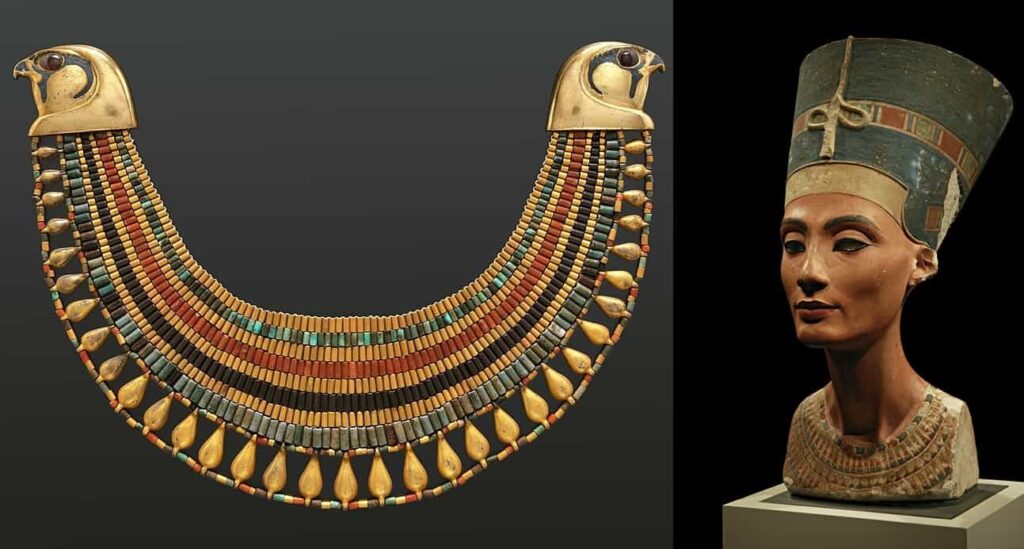
The Power and Symbolism of the Usekh Collar in Ancient Egypt
Usekh means “broad” in ancient Egyptian. The usekh necklace was worn by the nobility in Ancient Egypt as a talisman […]
Usekh means “broad” in ancient Egyptian. The usekh necklace was worn by the nobility in Ancient Egypt as a talisman […]
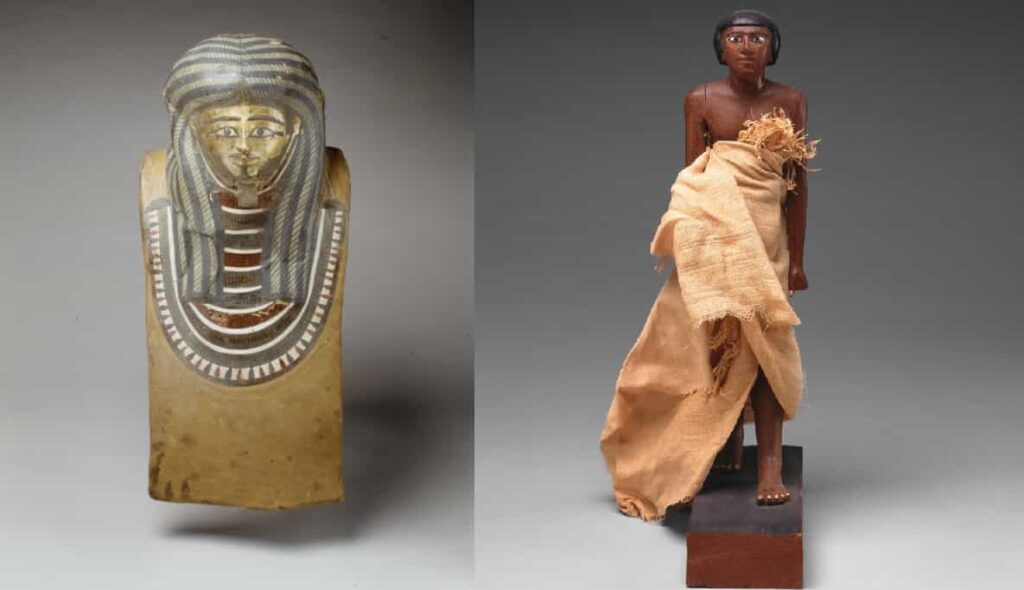
Herbert Winlock, the American archaeologist, discovered a fascinating tomb from the Middle Kingdom (2055-1650 BC) in the Theban necropolis of
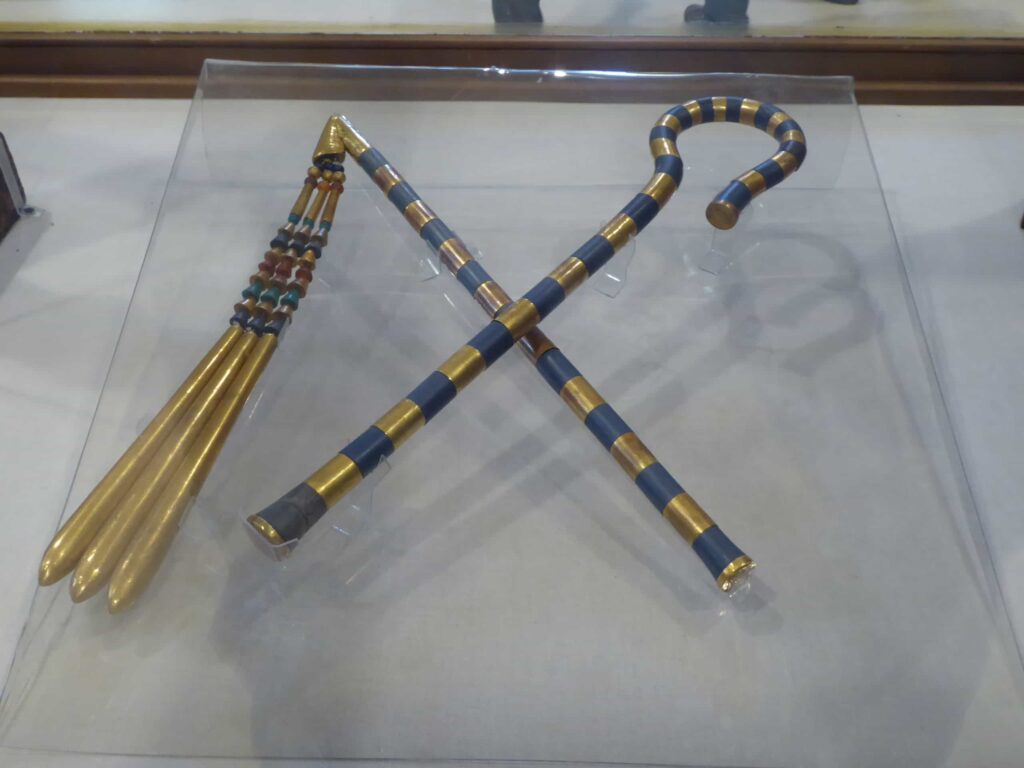
Among the symbols and motifs that have endured from Ancient Egypt, the crook and flail stand as some of the
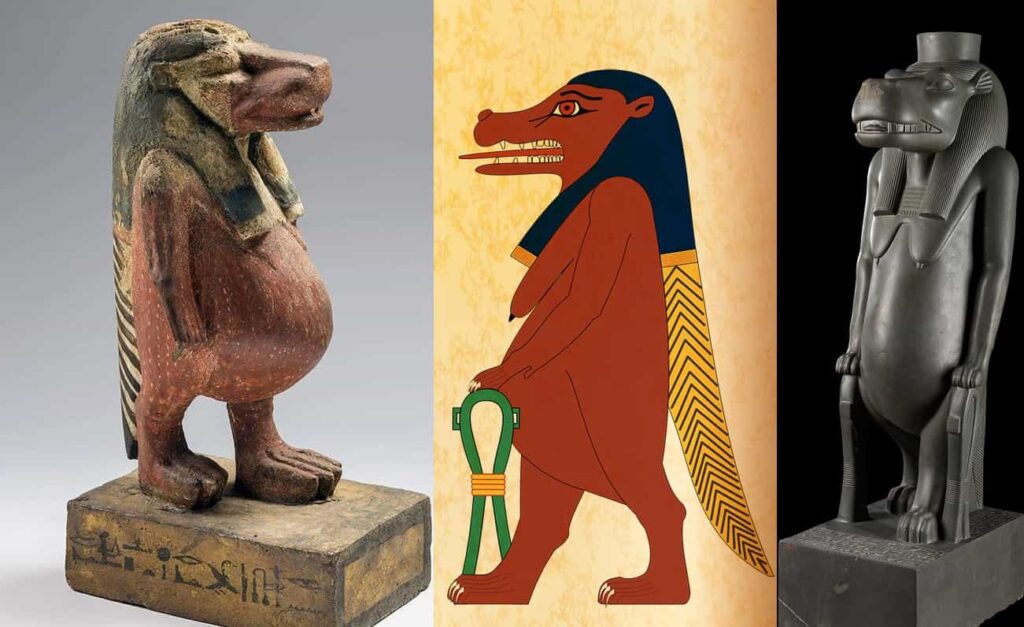
Taweret, also known as “The Great” or Taurt, was the goddess of fertility and the protector of pregnant women in
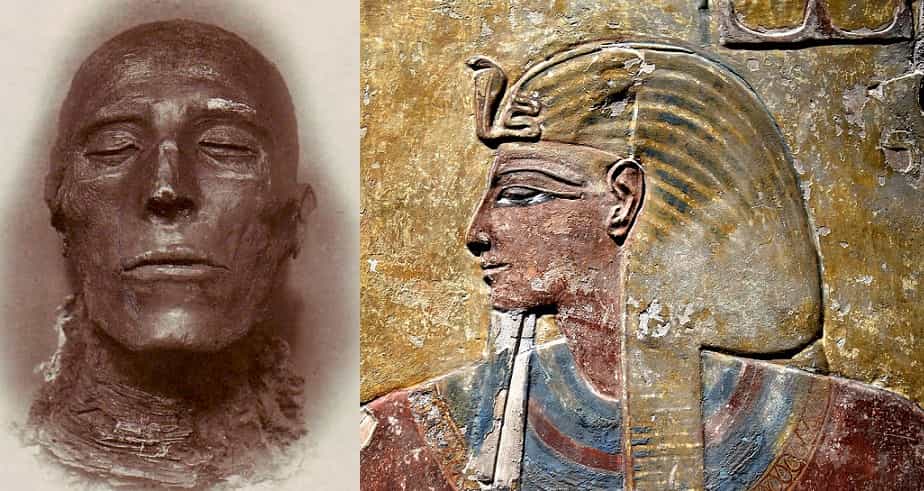
The body of Pharaoh Seti I remained in his tomb for an extended period, until the conclusion of the 20th
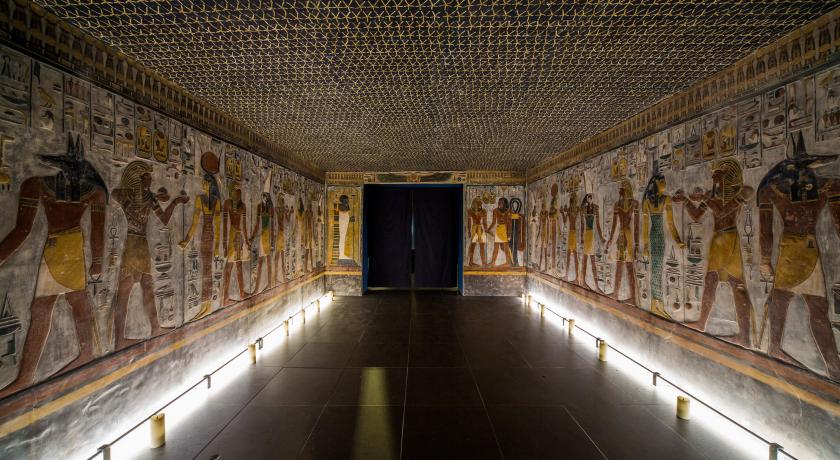
KV17 is an Egyptian tomb situated in the Valley of the Kings, a necropolis located on the west bank of
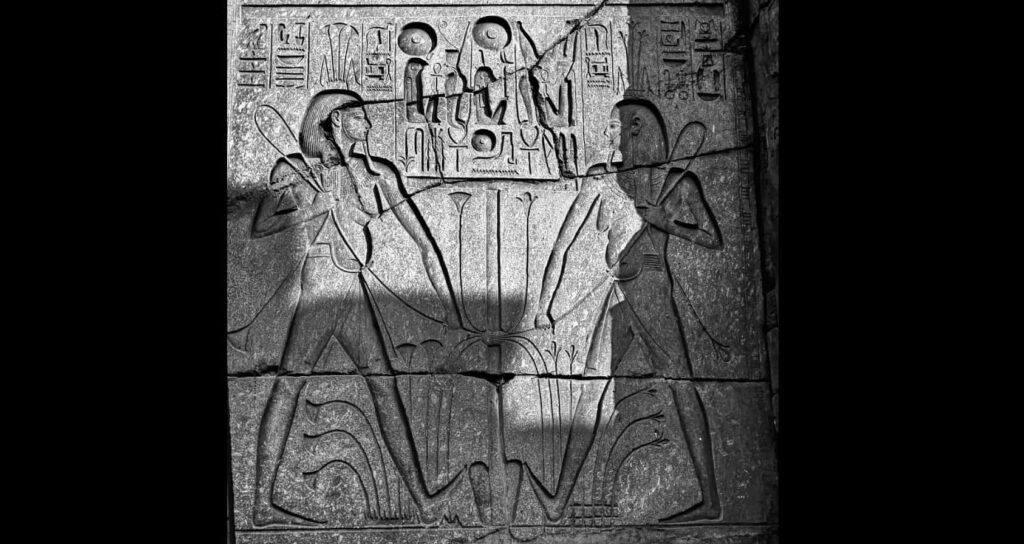
The Sema-Tawy symbolized the unity between Upper and Lower Egypt. It consists of the two emblematic plants from these regions:
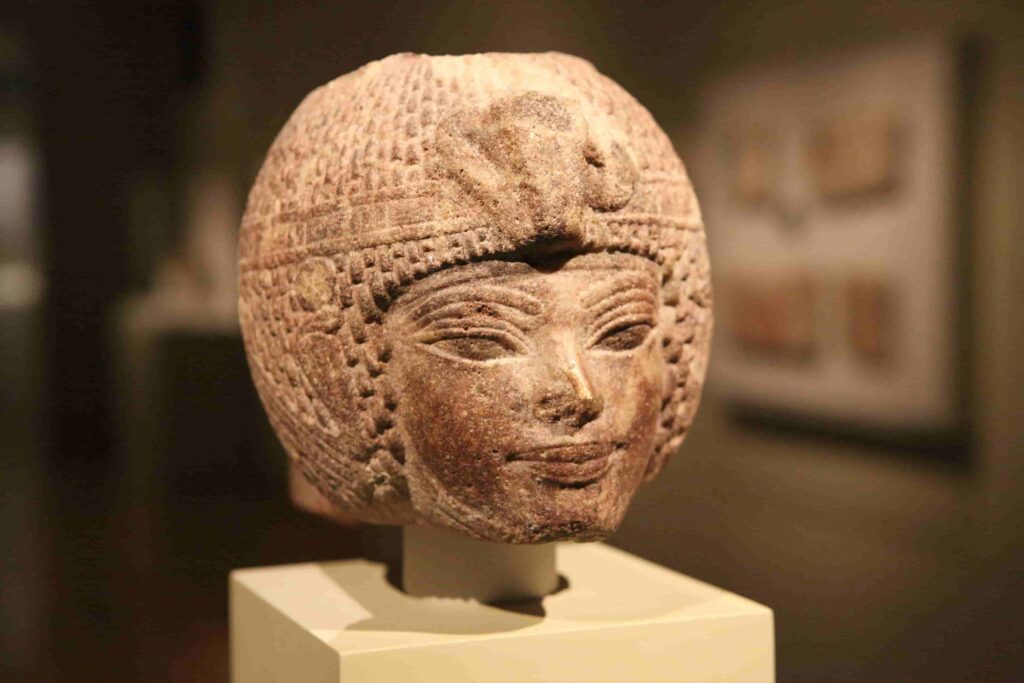
King Amenhotep III, despite being close to 50 years old when the portrait was carved, appears remarkably youthful in this

Shoshenq II was the third pharaoh of Egypt’s Twenty-second Dynasty, reigning from around 890 BC during the Third Intermediate Period
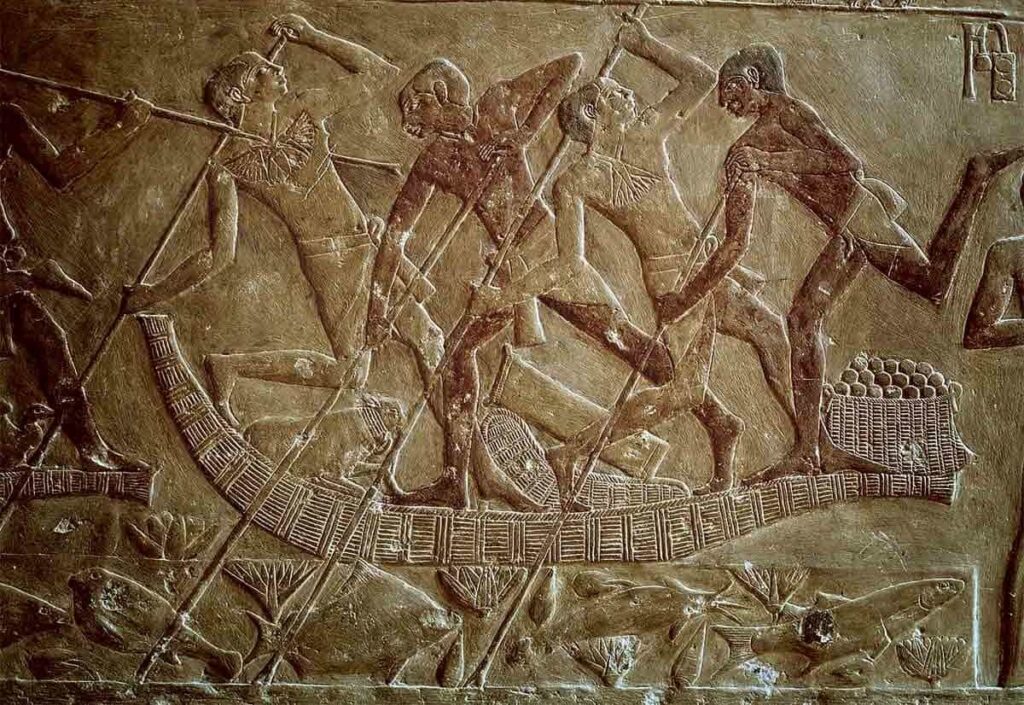
In the era of the Pharaohs, fishing held great significance in Egypt. The Nile was abundant with various fish species,