

Egypt’s Overlooked Pharaohs: Kingdoms Lost in Time
While names like Ramses II, Tutankhamun, and Cleopatra are etched into the annals of history, a wealth of ancient Egyptian […]
While names like Ramses II, Tutankhamun, and Cleopatra are etched into the annals of history, a wealth of ancient Egyptian […]

Ancient Egyptian mirrors hold immense cultural and religious significance, yet their production methods have remained underexplored. While their symbolic and

At the close of the fourth millennium BC, a powerful leader arose who unified the land of Egypt, laying the

The sistrum, known as the sechechet by the ancient Egyptians, was a sacred musical instrument with two distinctive forms: Arched

In a quiet museum gallery, a family pauses before a centuries-old mural. A child, eyes wide with curiosity, points at
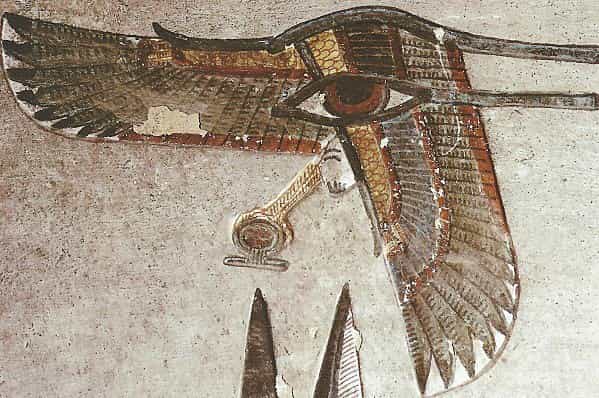
The Eye of Horus, also known as the wedjat (meaning “the one who is complete”), is a powerful symbol from

The ankh, often referred to as the “key of life,” is one of ancient Egypt’s most recognizable and meaningful symbols.

Tutankhamun‘s treasures continue to captivate audiences worldwide with their opulence, craftsmanship, and astonishing variety. Even more than a century after
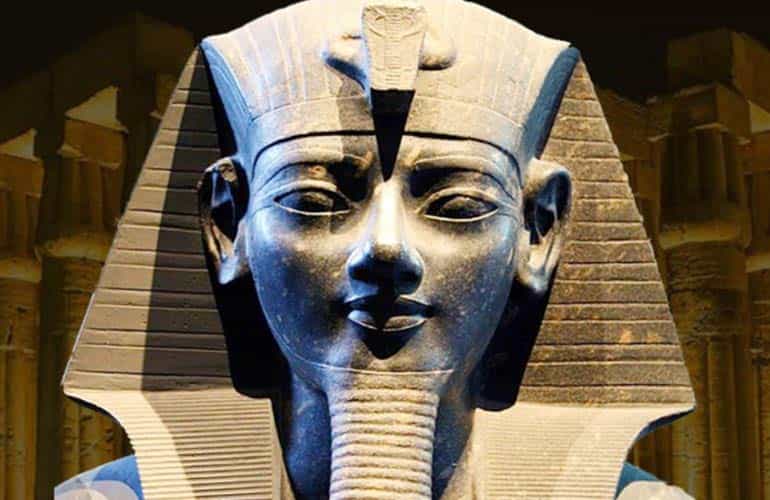
Amenhotep III, also known as Amenophis, was the ninth ruler of Egypt’s 18th Dynasty, reigning approximately from 1390 to 1352

Around 4,500 years ago, a branch of the Nile once meandered through the area that is now the Giza Plateau.