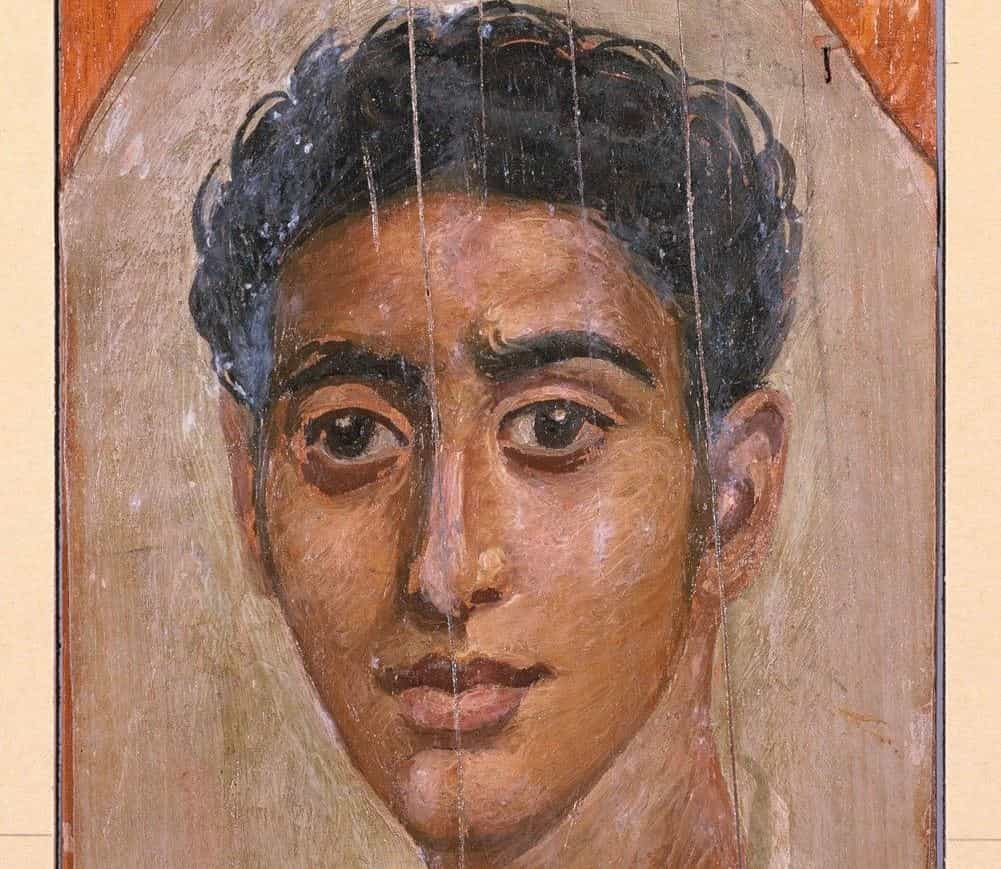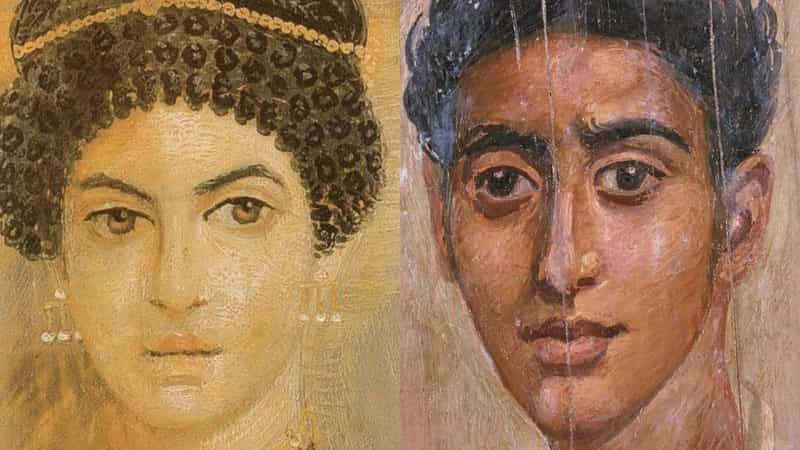
Have you ever looked into the eyes of someone who lived nearly 2,000 years ago?
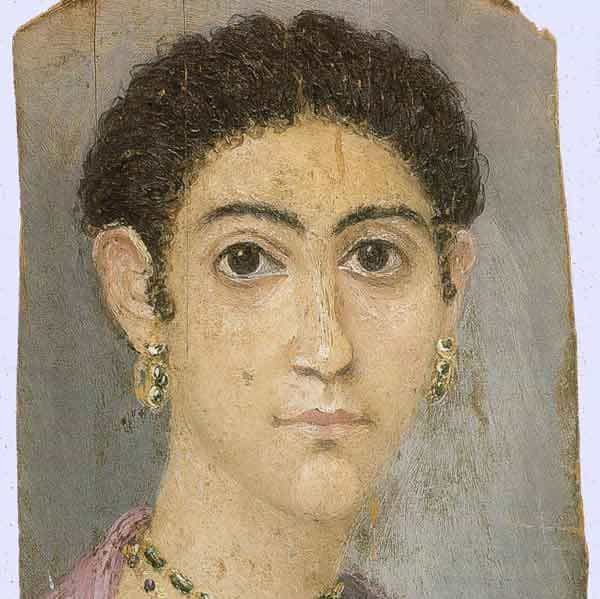
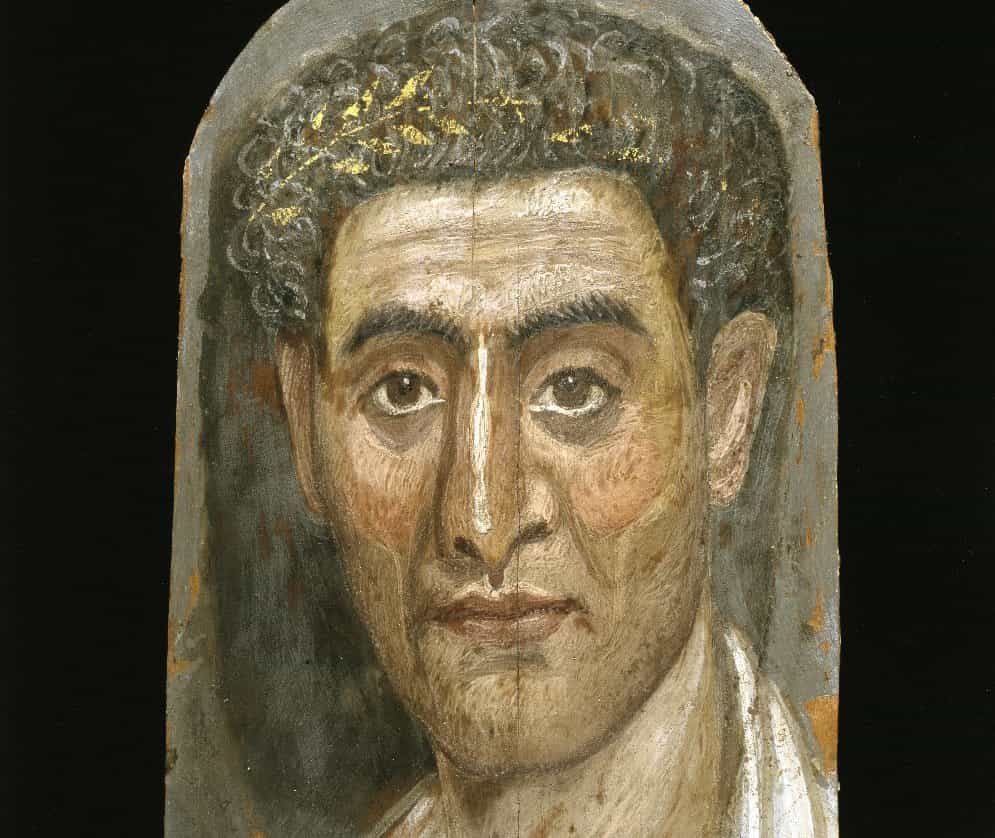
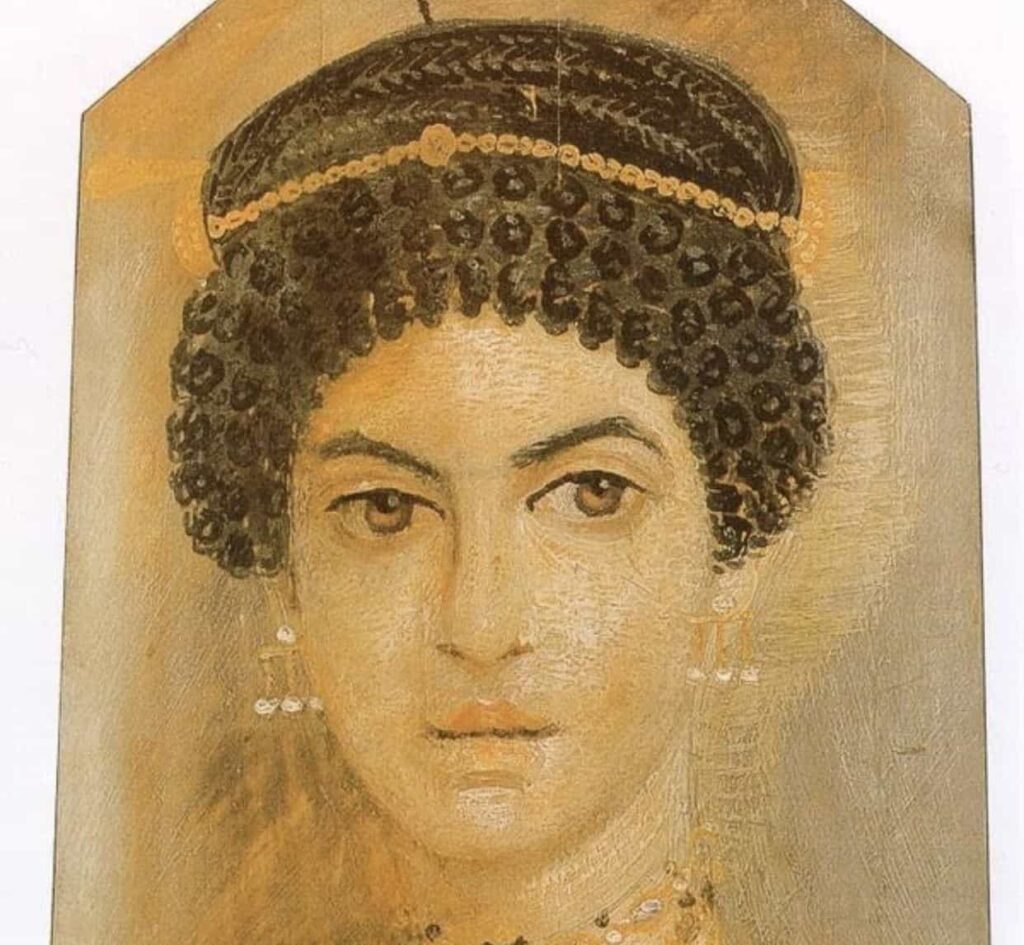
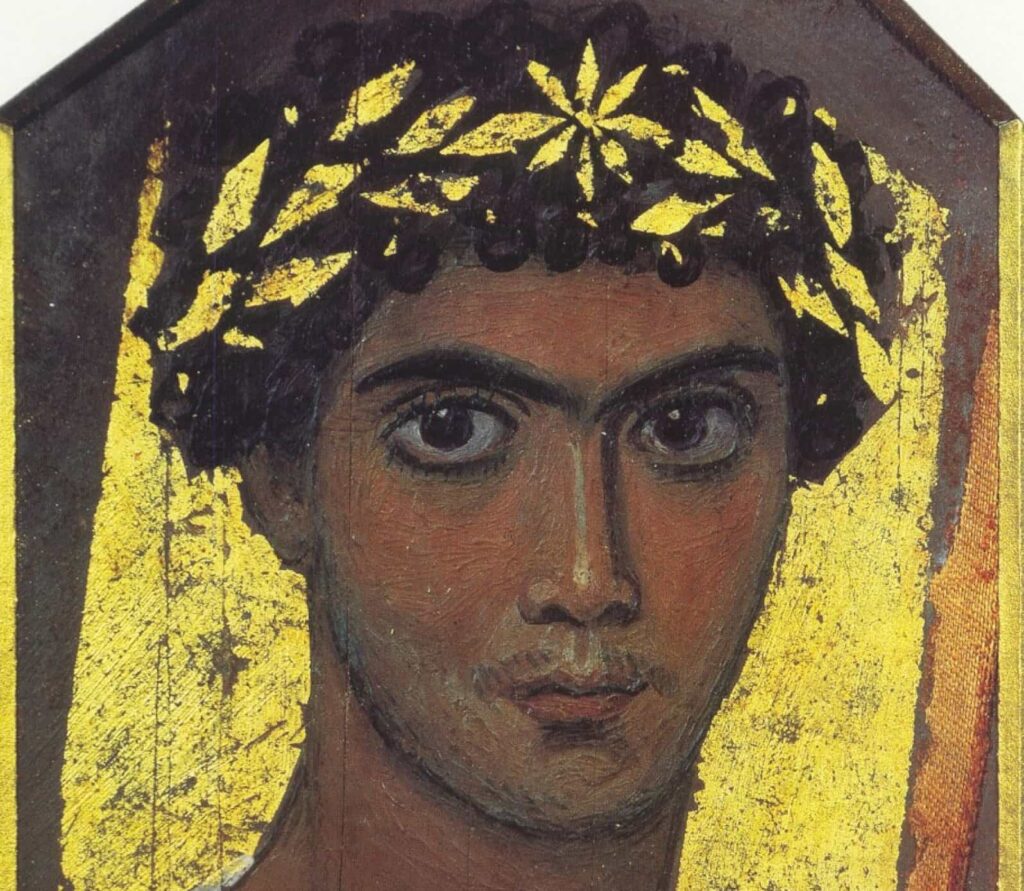
The Fayum portraits are among the best-preserved examples of ancient painting. Their remarkably realistic faces and direct gazes can make them seem almost alive.
These ancient Egyptian mummy portraits depict men, women, and children from the multicultural society of Roman Egypt. Although they are commonly called Fayum portraits, not all were discovered in the Fayum oasis. Similar portraits have been found at several sites in Egypt, including Hawara, Antinoopolis, and elsewhere.
The portraits emerged during the late Ptolemaic and Roman periods, with the best-known examples dating from approximately the 1st century BC to the 3rd century AD. Roman rule in Egypt began in 30 BC, following the defeat of Mark Antony and Cleopatra VII. The Ptolemaic dynasty had been founded by Ptolemy I Soter, a general of Alexander the Great, after Alexander’s death.
The portraits reflect the meeting of Greek, Roman, and Egyptian artistic traditions. Their naturalistic style is strongly influenced by the Greco-Roman world, while their funerary function belongs to the long Egyptian tradition of preserving and commemorating the dead.
Many portraits were painted on wooden panels, often using the encaustic technique, in which pigments were mixed with beeswax. Others were made using tempera and related techniques. Some portraits were attached directly to the mummy wrappings over the deceased person’s face.
The portraits are strikingly individualized. They show hairstyles, jewelry, clothing, and facial features in remarkable detail. Some even preserve gold leaf and inscriptions identifying the deceased.
But were they painted while the subjects were alive?
Not necessarily. Although it has often been suggested that some portraits may have been displayed in the home during the person’s lifetime, studies of the relationship between the portraits and the mummies indicate that many were probably painted at or near the time of death.
Once the person died, the portrait could be incorporated into the mummy wrappings, continuing the ancient Egyptian tradition of preserving the deceased’s identity and appearance. The realistic portrait style was new, but the funerary purpose was deeply rooted in Egyptian tradition.
The people depicted were part of the diverse population of Roman Egypt, a society in which Egyptian, Greek, and Roman cultural traditions existed side by side. The portraits therefore provide an extraordinary glimpse into the people of Egypt nearly two thousand years ago.
Today, hundreds of Fayum mummy portraits are preserved in museums around the world, including the Metropolitan Museum of Art in New York, the British Museum in London, and the Louvre in Paris.
Their greatest mystery remains the same: Who were the artists who painted these astonishingly lifelike faces?
We know the faces of many of the people they portrayed—but, in most cases, the names of the artists themselves have been lost to history.