

Ancient Egyptian mummification was a complex process designed to preserve the body for the afterlife. Developed and refined over thousands of years, these techniques helped produce some of the best-preserved human remains in the world.
Why Did Ancient Egyptians Mummify Their Dead?
For the ancient Egyptians, death was not the end of existence. They believed that preserving the body was essential to maintaining the connection between the deceased and the spiritual elements that enabled them to live in the afterlife.
Two important concepts were the ka, often understood as a person’s life force, and the ba, an aspect of the individual that could move between the tomb and the outside world. The preserved body also played an important role in the deceased’s continued existence.
To prevent the body from decaying, embalmers developed a lengthy process involving drying, treating, and wrapping the remains.
The earliest known Egyptian mummies date to approximately 3500 BCE. Before artificial mummification became widespread, the hot, dry desert sand naturally preserved many bodies by removing moisture from their tissues.
Over time, the ancient Egyptians developed increasingly sophisticated embalming techniques. By the New Kingdom (c. 1550–1070 BCE), the most elaborate methods involved removing internal organs, drying the body with natron, treating it with oils and resins, and wrapping it in linen.
The best-known mummification process took approximately 70 days. Because elaborate embalming was expensive, access to the most sophisticated techniques varied according to wealth, status, and historical period.
Where Did Ancient Egyptian Mummification Take Place?
Embalming took place in specialized areas associated with funerary rituals. Ancient sources refer to the ibu, often translated as the “Place of Purification,” and the per nefer, or “House of Beauty,” associated with the preparation of the deceased.
The body was washed and purified before the embalmers began their work. These specialists combined practical knowledge of preservation with religious rituals intended to prepare the deceased for the afterlife.
Anubis, the jackal-associated god of embalming and the dead, played an important role in Egyptian funerary beliefs. Priests performed rituals and recited spells during various stages of the burial process.
What Are the 8 Steps of Ancient Egyptian Mummification?
The following steps describe the general procedure associated with elaborate ancient Egyptian mummification. Practices varied across different periods, and not every mummy underwent exactly the same treatment.
- Purify the Body
The process began by washing and purifying the deceased’s body. Water and, in some accounts, palm wine were used during preparation.
This cleansing had both practical and religious significance, preparing the body for the subsequent stages of embalming.
- Remove the Internal Organs
The embalmers made an incision in the left side of the abdomen to remove most of the internal organs.
The liver, lungs, stomach, and intestines were commonly treated separately and preserved. In many cases, they were placed in four canopic jars, which were associated with the protective Four Sons of Horus.
The heart was usually left inside the body because the ancient Egyptians regarded it as the center of thought, intelligence, and emotion. However, practices varied, and some mummies were found without their hearts.
- Remove the Brain
In the most elaborate embalming method, the brain was often removed through the nostrils using a long instrument inserted into the skull.
The embalmers broke up the brain tissue and extracted it through the nasal cavity. The brain was generally discarded rather than preserved separately.
This practice differed from the treatment of the heart, which held considerable religious significance in ancient Egyptian beliefs.
- Dry the Body With Natron
One of the most important stages was dehydration.
The body was covered with natron, a naturally occurring mixture of salts that absorbed moisture and helped prevent decomposition. Natron was also used to dry the body cavity and removed organs.
The drying stage generally lasted around 40 days in the best-known procedure. The complete embalming process, including other preparations and rituals, took approximately 70 days.
- Treat and Stuff the Body
After dehydration, the embalmers removed the natron and treated the dried body with oils, resins, and other substances.
They could fill the body cavity with materials such as linen, sawdust, or other substances to restore a more lifelike appearance and provide additional support.
The skin was also treated to help prepare it for wrapping. The specific materials and techniques varied according to the period and the individual being mummified.
- Wrap the Body in Linen
The embalmers carefully wrapped the body in linen bandages, often working on different parts of the body separately before completing the full wrapping.
The head, neck, fingers, toes, arms, and legs could receive individual layers of linen before the limbs were secured and the body was wrapped as a whole.
Resins and other adhesive substances helped hold the bandages together. This stage required considerable skill and could involve numerous layers of linen.
- Place Protective Amulets
Amulets were placed within the linen wrappings to protect the deceased in the afterlife.
These objects came in different shapes and materials, and their meanings depended on their form and religious associations.
The scarab, the Eye of Horus, and the ankh are examples of important Egyptian symbols associated with protection, well-being, and life. The exact amulets used in a burial varied, and not every mummy contained the same objects.
- Recite Spells and Perform Funerary Rituals
Religious rituals accompanied the preparation and burial of the deceased. Priests recited spells and performed ceremonies intended to protect the dead and support their transition into the afterlife.
Anubis, the god associated with embalming and the dead, was an important figure in these beliefs. Some priests wore jackal masks during funerary ceremonies, although this was not necessarily part of every embalming procedure.
After the mummification and wrapping were completed, the body was prepared for burial in a coffin or sarcophagus. Further funerary rites, including the Opening of the Mouth ceremony, could help symbolically restore the deceased’s ability to see, hear, speak, and receive offerings in the next life.
How Long Did Ancient Egyptian Mummification Take?
The most elaborate ancient Egyptian mummification process generally took about 70 days. This included the lengthy drying stage, the preparation and treatment of the body, wrapping, and associated rituals.
The process changed over time, and different methods were used depending on the resources available and the wishes of the deceased’s family.
Despite these variations, the central goal remained the same: to preserve the body and prepare the deceased for continued existence in the afterlife.
Ancient Egyptian mummification was far more than a method of preserving the dead. It combined practical embalming techniques with religious beliefs that shaped Egyptian attitudes toward death, burial, and eternal life.

The Mummy of Ramesses IV


Read more: Photos of lavish pieces of ancient Egyptian jewelry
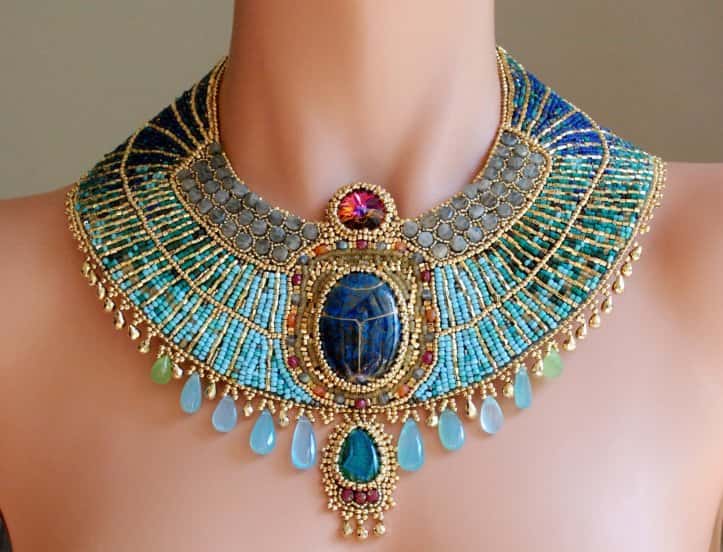
Good information about ancient mummy’s